Pipe Rotation Explained: How Resting Briar Pipes Improves Every Smoke
A briar pipe is not a disposable thing. Looked after properly, it will comfortably outlast the person who bought it, and the single biggest favour you can do it is to leave it alone between smokes. Rest is not pipe-shop folklore. It is simply drying, and a dry pipe smokes cooler, sweeter and more predictably than a wet one. What follows is what actually happens to briar while it sits in the rack, how big a rotation you really need, and how to dry pipes without wrecking them.
Briar is dense, but it is not sealed. Every bowl you smoke leaves moisture behind: water vapour from combustion, tars, and saliva carried down the stem. Some of it leaves with the smoke. The rest soaks into the bowl wall and collects in the shank and mortise, the dark corner where the stem meets the wood and where most pipe problems begin.
Given time, that moisture works its way to the surface and evaporates. Smoke the pipe again before it has finished drying and you are adding fresh damp on top of old. The symptoms are easy to spot once you know them. Gurgling arrives earlier and earlier in the bowl. The smoke turns sharp and hot about halfway down. Eventually the pipe takes on a sour, ashy taste that no amount of fresh tobacco can cover up.
Heat matters as much as moisture. A pipe that never fully cools is repeatedly expanding and contracting, and briar does not enjoy that. A rested pipe goes back to the rack dry, cool and neutral, which is exactly the state you want it in when you light up.
A day is the usual minimum. Two or three days is better, and many smokers find the third day is where a pipe really comes back to itself. Climate matters more than most people admit: in a damp British winter, a pipe left in a cold spare room will take noticeably longer to dry than one kept in a warm, well-ventilated space.
The old rule of thumb holds up well: one bowl a day needs three or four pipes, two or three bowls a day wants six or seven. A weekend smoker can get away with two, and three feels luxurious. Seven is the classic sweet spot for a daily smoker because it maps neatly onto a week.
Rotation does not mean a strict rota. It means spreading the work so no single pipe is asked to do too much. If any of the following sounds familiar, that pipe needs a longer sit:
That is two minutes of work, and it is the difference between a pipe that lasts five years and one that lasts fifty.
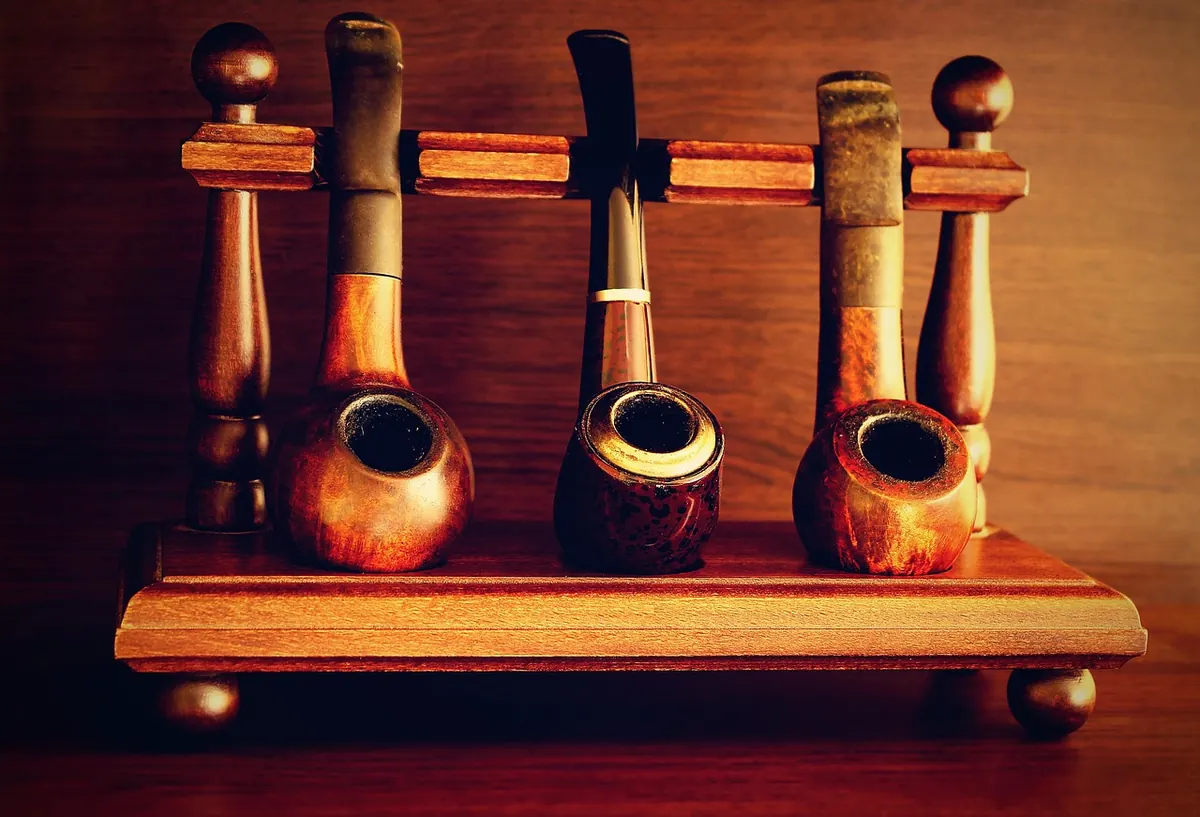
Air movement is the whole point. A pipe drying in a closed cabinet, a zip case or a sealed drawer is just sitting in its own damp. An open rack in a room with normal ventilation is ideal. Keep pipes away from radiators and out of direct sun, where heat and ultraviolet light will fade a finish and dry the wood too aggressively.
Ignore the quick-fix methods you will hear about. Ovens, microwaves, hair dryers and radiators crack bowls and scorch finishes. Briar dries perfectly well at room temperature; it simply needs time rather than force. A clean pipe cleaner left in the stem overnight is fine and helps draw moisture out of the airway. What you should clean periodically is the mortise, where tar collects in a black paste. A cotton bud with a little isopropyl alcohol will shift it. Keep strong solvents away from the outside of the bowl, especially from waxed or stained finishes.
If a pipe still tastes sour after several days of rest, it is not tired, it is dirty. Run cleaners dipped in a little alcohol through the airway until they come out clean, or give it a salt-and-alcohol treatment, then let it rest for a week before smoking it again.
A thin, even carbon layer protects the bowl and sweetens the smoke, but it builds best on a pipe that is allowed to dry between bowls. Rotating gives you a slower, harder, more even cake rather than a soft, spongy one. Ream when the cake passes a couple of millimetres; a thick layer expands and contracts at a different rate from the briar beneath it, which is one of the ways bowls split.
Rotation also helps with ghosting. Heavy latakia blends, Lakeland aromatics and strongly topped mixtures leave their mark in the wood, and a pipe that rests properly between smokes holds less of it. If you smoke a wide range, dedicate pipes: one for Virginias, one for latakia, one for aromatics. You will taste the difference immediately.
The simplest system that works is seven pipes and seven days. Smoke one a day, and by the time you come back to the first it has had six days to dry. If you smoke twice a day, keep two rotations going, or stretch to nine or ten pipes so each one still gets a proper rest. Weekend smokers can run three pipes on a loose cycle and never think about it again.
Buy the second pipe before the first one starts to taste tired, not after. Fill the rack gradually with pipes you actually enjoy smoking, empty the ash, run a cleaner, and let them sit. Rotate, dry, repeat. It is the cheapest upgrade available to any pipe smoker, and it costs nothing but patience.
Photo: StockSnap / Pixabay
Previous Post
Briar vs Meerschaum vs Corn Cob Pipes: A UK Smoker's Comparison
Next Post
Buying Pipe Tobacco in the UK: High Street, Online and Tobacconist Etiquette